
Traditional clay blocks require large volumes of topsoil from fertile agricultural land. AAC ( Autoclaved Aerated Concrete ) block manufacturing uses industrial waste materials instead of soil, preserving farmland and supporting sustainable agriculture.
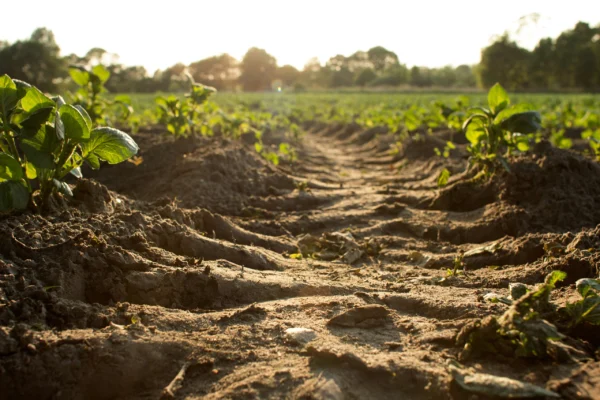
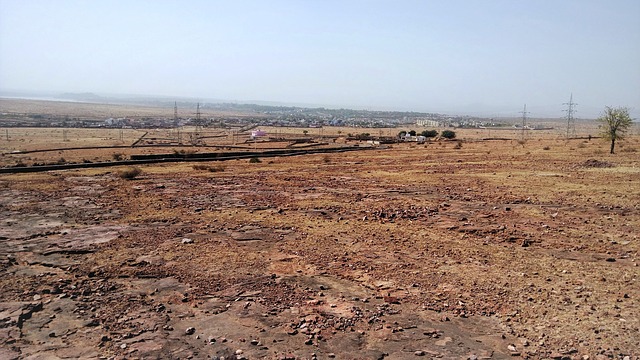
Each year large areas of agricultural land are damaged by soil extraction for brick kilns.
AAC blocks are produced using industrial materials instead of agricultural soil. These materials allow brick alternatives without destroying farmland.
A sustainable industrial by-product that provides bulk and strength while preserving agricultural topsoil.
The primary binding agent that ensures structural stability and high compressive strength for every block.
Reacts with other materials to create the essential thermal insulation and lightweight cellular structure.
Controls the setting time and enhances the overall durability and hardening process of the AAC.
The critical aeration agent that creates millions of tiny air cells for superior insulation.
Our technology doesn’t just automate production; it actively preserves the geological integrity of our planet by replacing destructive traditional methods.
1,000 Tons
Per Million Blocks. Represents the heavy excavation and removal of vital natural land layers.
Zero Tons
Zero-impact nature. Protects the earth by using industrial byproducts instead of fertile topsoil.
100% Impact
Active protection of crops and food security on untouched farmland territory.
60% – 70%
Turning industrial waste (Fly Ash) into a valuable resource, closing the loop of production.
Over 90%
Focuses on the geographical and national scale of saving agricultural territory. Our plants prevent the conversion of fertile land into industrial pits.