
Bizcon Eco-Tech is a Canadian joint venture company focused on introducing sustainable AAC ( Autoclaved Aerated Concrete ) Eco Block manufacturing technology in Bangladesh. Through collaboration with international machinery manufacturers and advanced Japanese and German engineering systems, Bizcon Eco-Tech delivers end to end industrial solutions including plant design, machinery supply, installation, commissioning, and production startup. The company works closely with global equipment partners to support Bangladesh’s transition toward environmentally responsible block manufacturing.
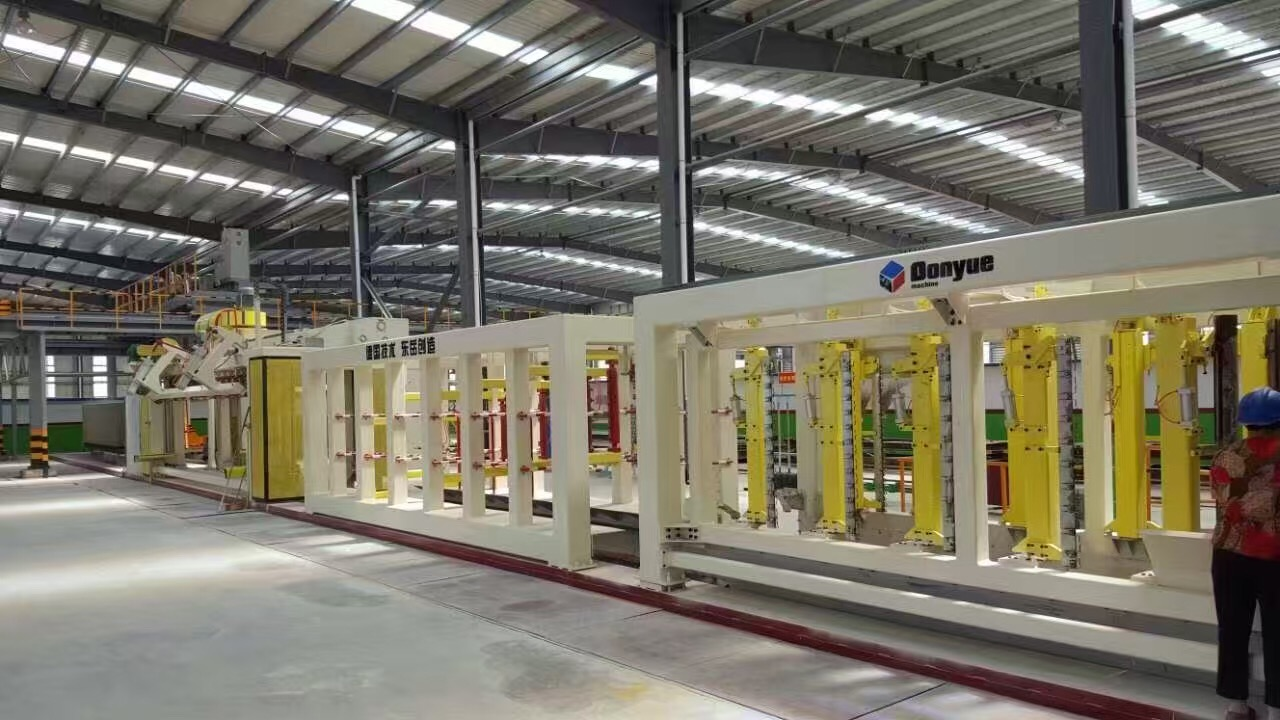
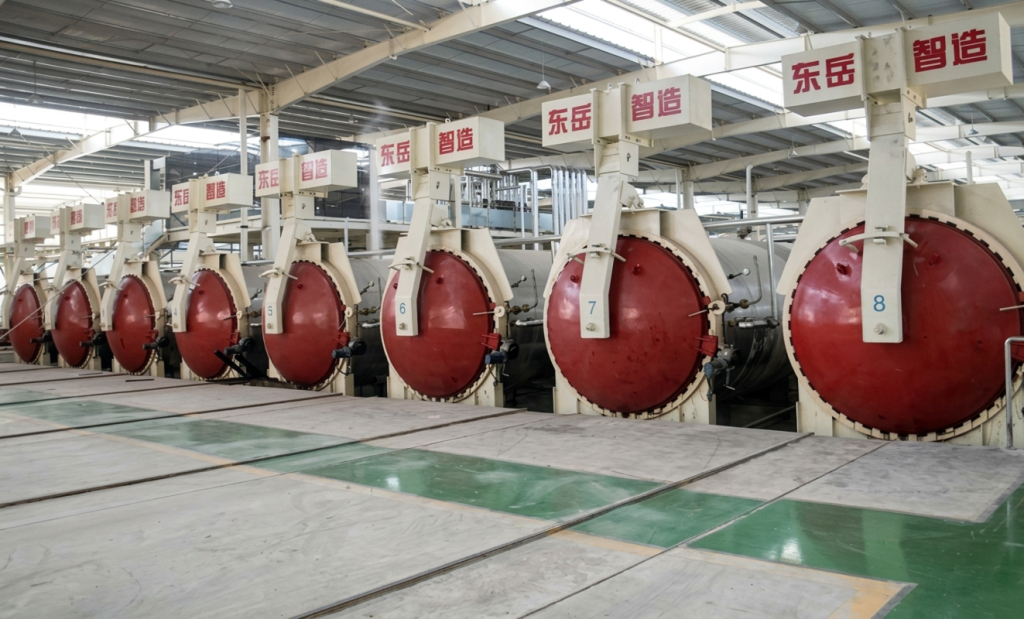
Bizcon Eco-Tech aims to introduce advanced AAC ( Autoclaved Aerated Concrete ) manufacturing technology that supports sustainable construction and environmentally responsible industrial growth. By combining global engineering expertise with local market understanding, the company provides complete factory solutions that enable entrepreneurs to establish efficient and modern block production facilities.
*Engineering Reliability
*Global Technology Collaboration
*Environmental Responsibility
*Industrial Efficiency
*Long Term Partnership with Clients
Traditional clay brick kilns in Bangladesh consume large volumes of fertile agricultural topsoil and generate significant air pollution every year. This production method contributes to environmental degradation, loss of farmland, and increasing carbon emissions across the country. AAC ( Autoclaved Aerated Concrete ) Eco Block manufacturing provides a sustainable alternative that reduces environmental damage while supporting modern construction demands.
AAC ( Autoclaved Aerated Concrete ) blocks are produced using fly ash and industrial materials without extracting fertile topsoil from farmland.
Modern autoclave production technology significantly reduces smoke, dust, and carbon emissions compared to traditional brick kilns.
AAC ( Autoclaved Aerated Concrete ) production uses fly ash from power plants as a primary raw material.
AAC ( Autoclaved Aerated Concrete ) blocks eliminate the need for fertile topsoil used in traditional brick production.
AAC ( Autoclaved Aerated Concrete ) provides 3 to 4 times higher thermal insulation compared to clay bricks.
AAC ( Autoclaved Aerated Concrete ) blocks are up to 50 percent lighter than conventional clay bricks.

At Bizcon Eco-Tech we believe that industrial progress should never come at the cost of our environment. For decades, the traditional brick industry has been a backbone of construction, yet it has silently consumed our most precious resource—our fertile agricultural topsoil—while polluting the air our children breathe.
We are not just a consulting firm; we are the architects of a “Green Industrial Revolution.” Through our “Go Green Bangladesh” initiative, we empower entrepreneurs to transition into AAC (Autoclaved Aerated Concrete) technology. This is not merely a business shift—it is a national necessity. By 2025, our goal is to see a Bangladesh where every building is a testament to eco-friendly innovation, where our food security is protected by saving our topsoil, and where our industries thrive on efficiency and global standards.
Engr. Rafiqul Islam
Lead Consultant & CEO Bizcon Ecotech.
Bizcon Eco-Tech specializes in complete AAC ( Autoclaved Aerated Concrete ) Eco Block manufacturing plant solutions, including engineering design, machinery supply, installation, commissioning, and production startup for modern block manufacturing facilities.
Bizcon Ecotech works with advanced AAC ( Autoclaved Aerated Concrete ) manufacturing technology developed through global engineering collaboration, incorporating proven Japanese and German technological standards in modern autoclaved aerated concrete production systems.
Yes. Bizcon Eco-Tech delivers turnkey factory setup solutions that cover project planning, plant layout design, machinery installation, technical support, and assistance from concept development to commercial production.
AAC ( Autoclaved Aerated Concrete ) Eco Block production uses industrial materials such as fly ash and requires no agricultural soil extraction. The technology also produces lightweight blocks with improved thermal insulation, supporting more sustainable construction practices.